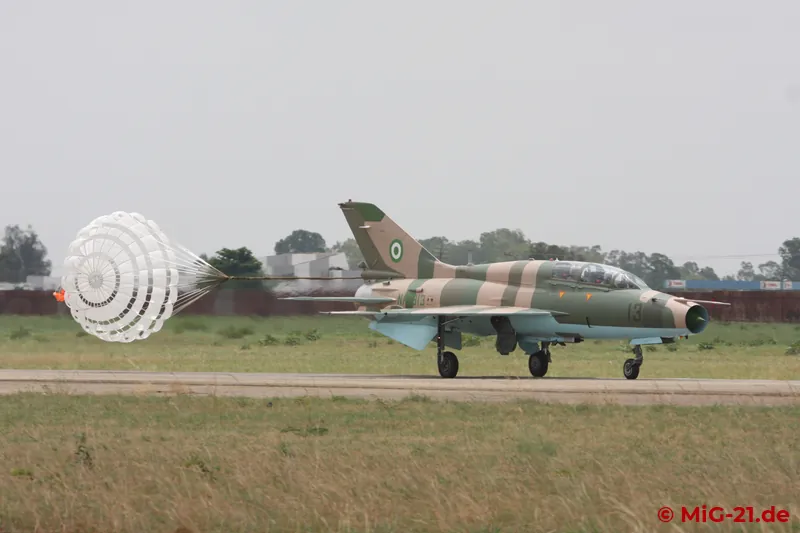
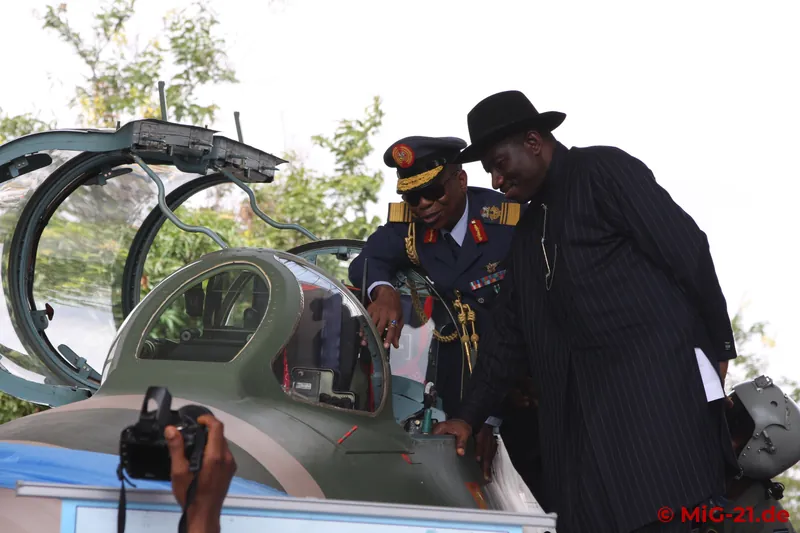
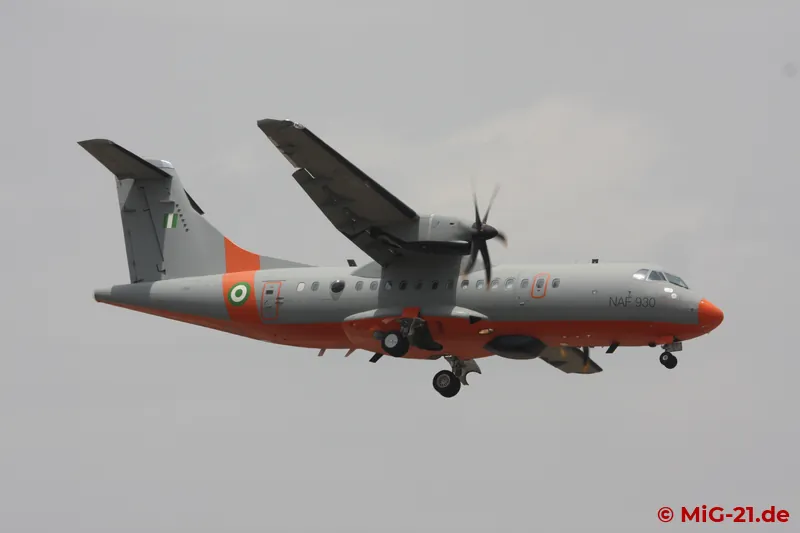
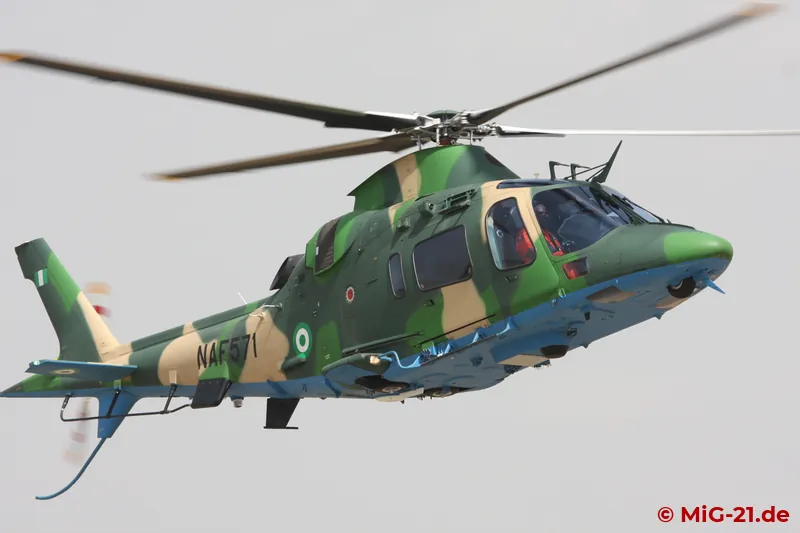
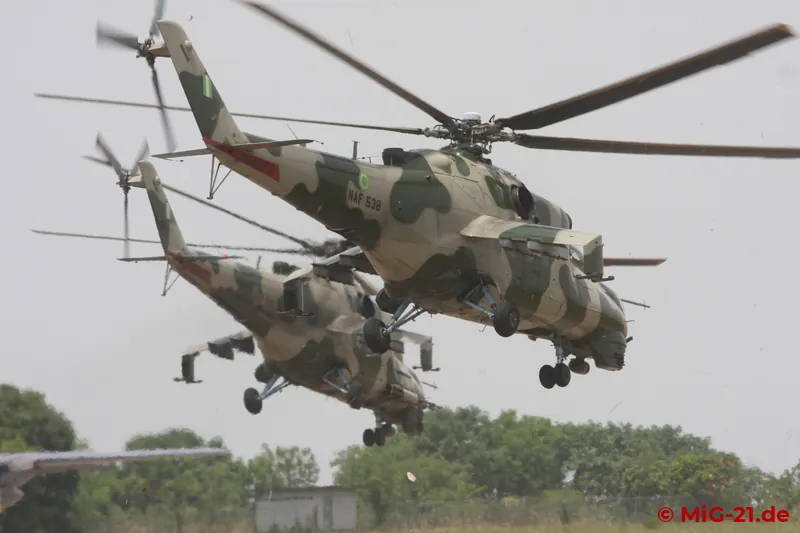
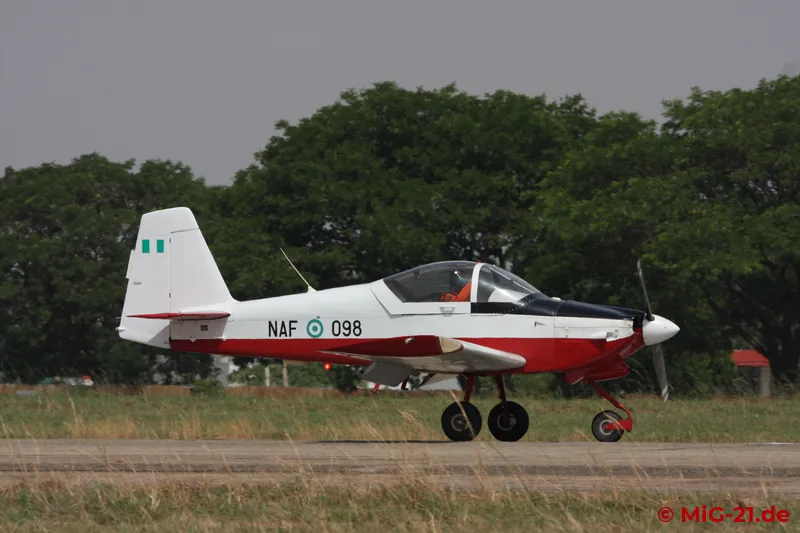
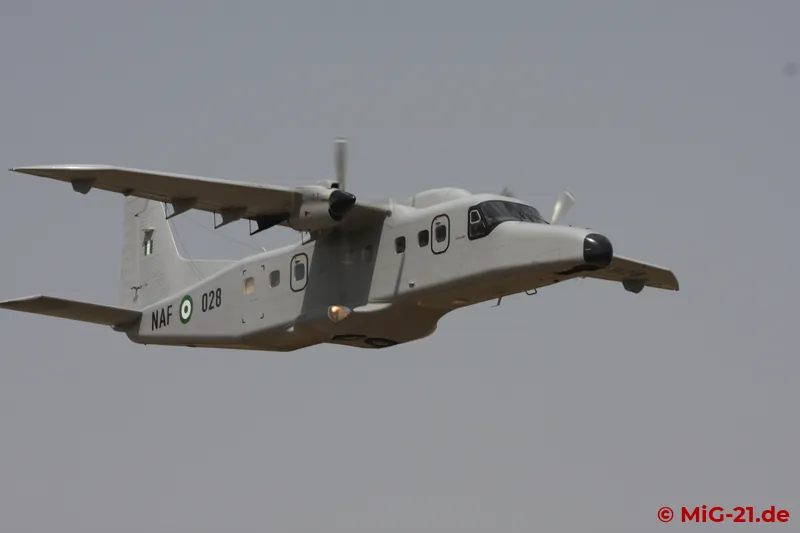
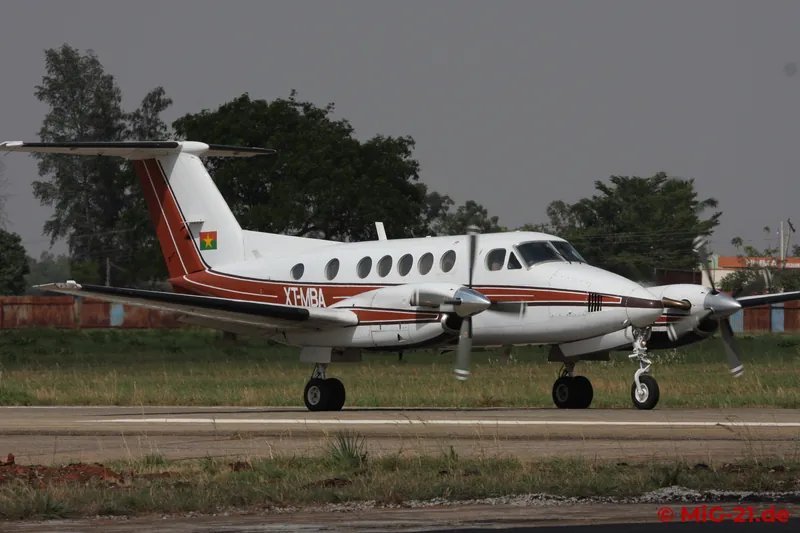
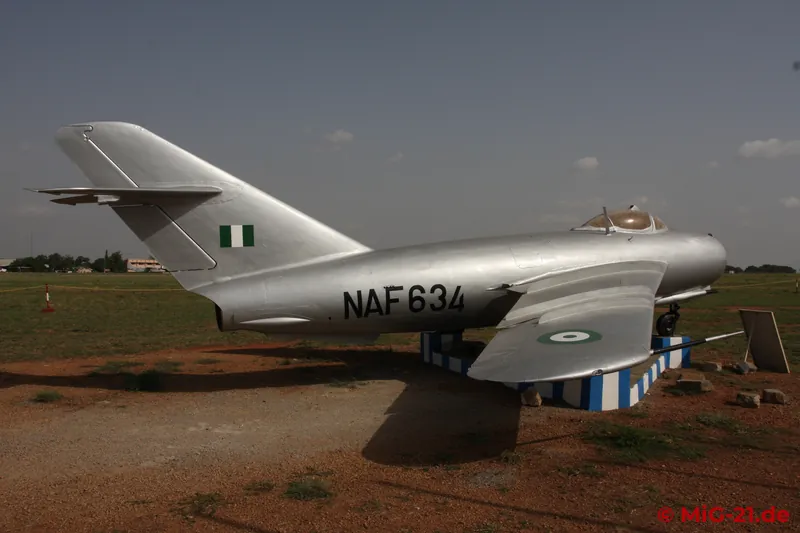
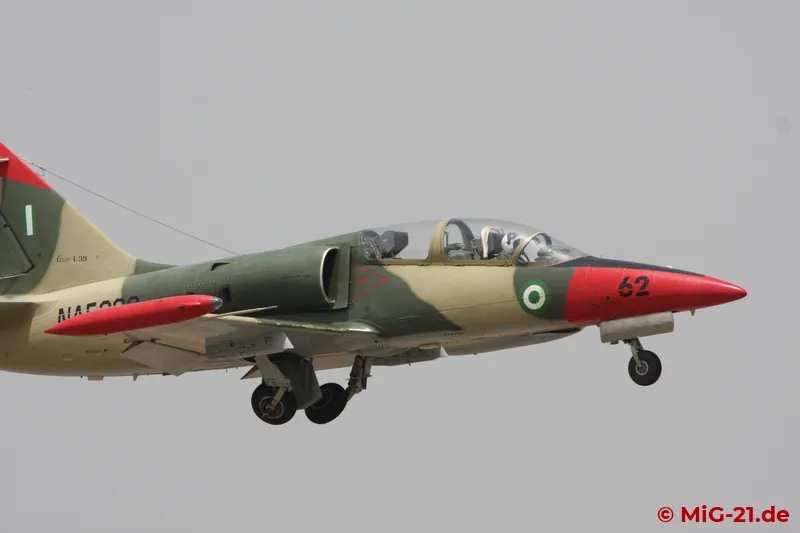
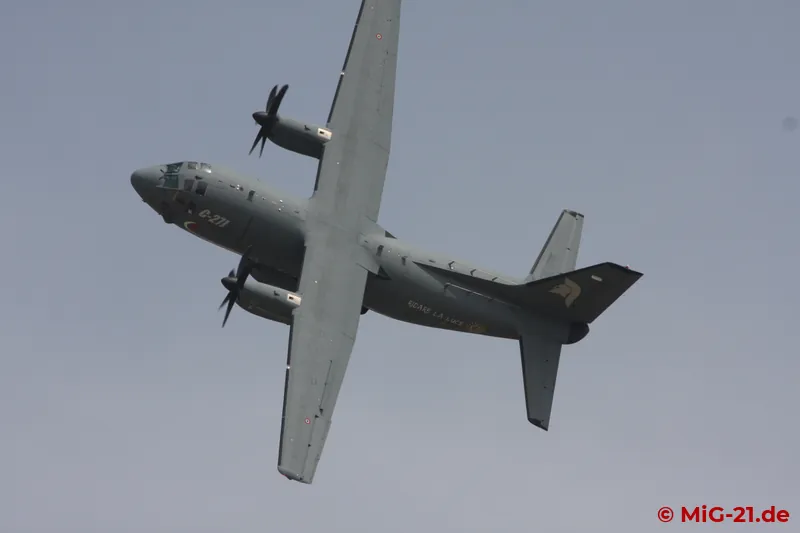
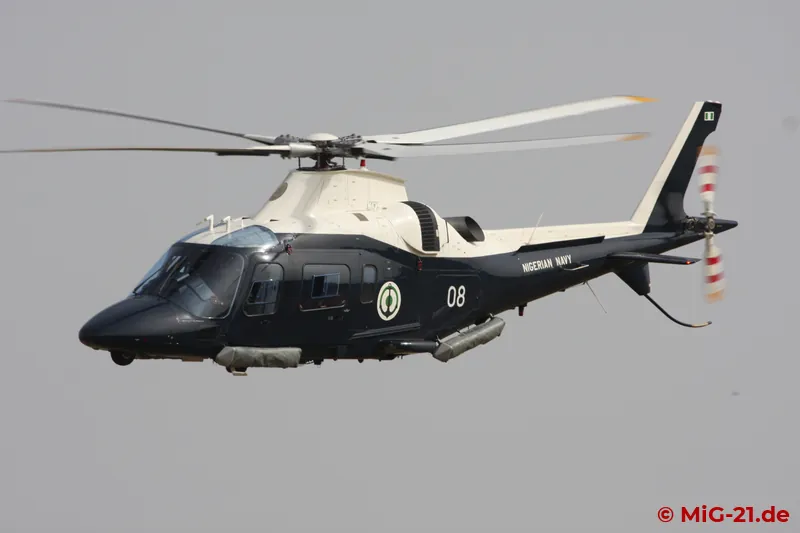
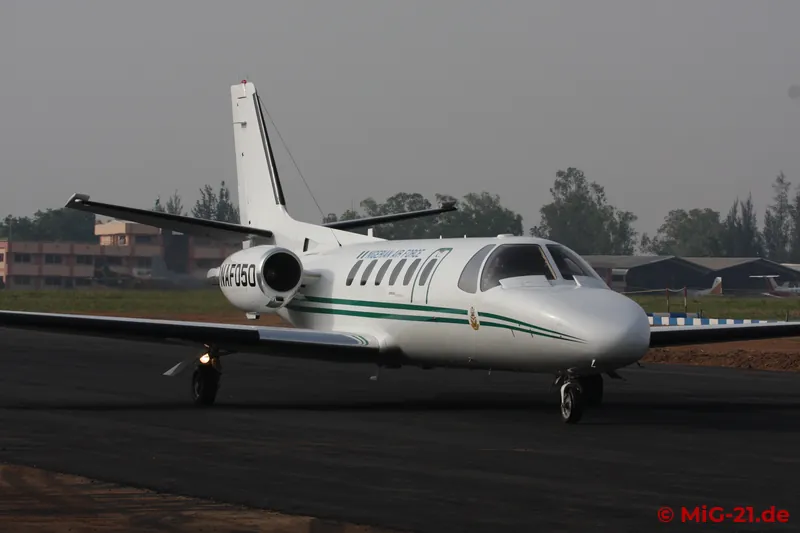
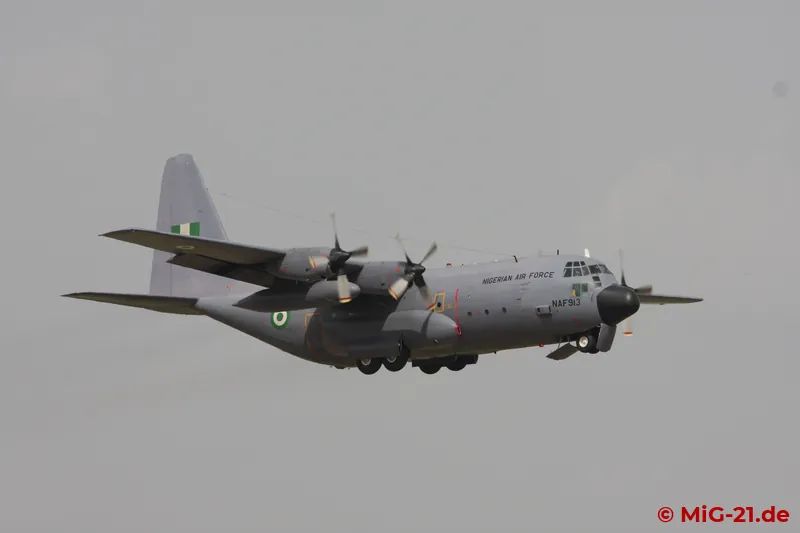
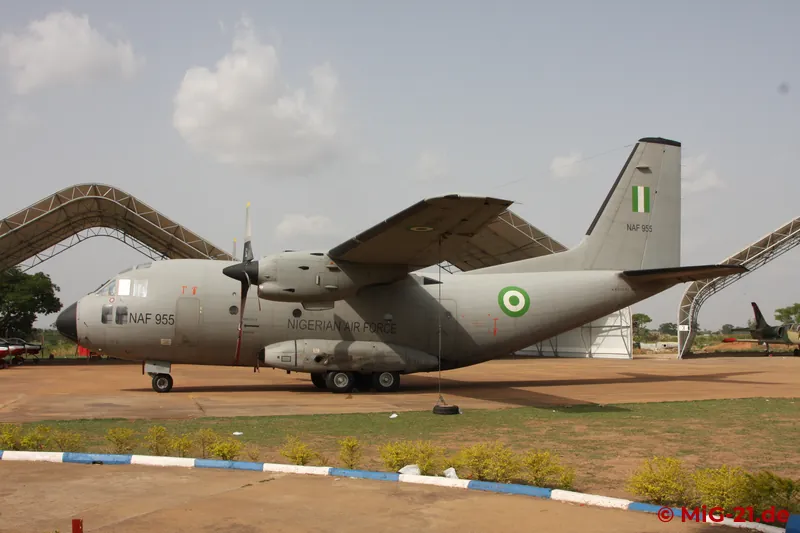
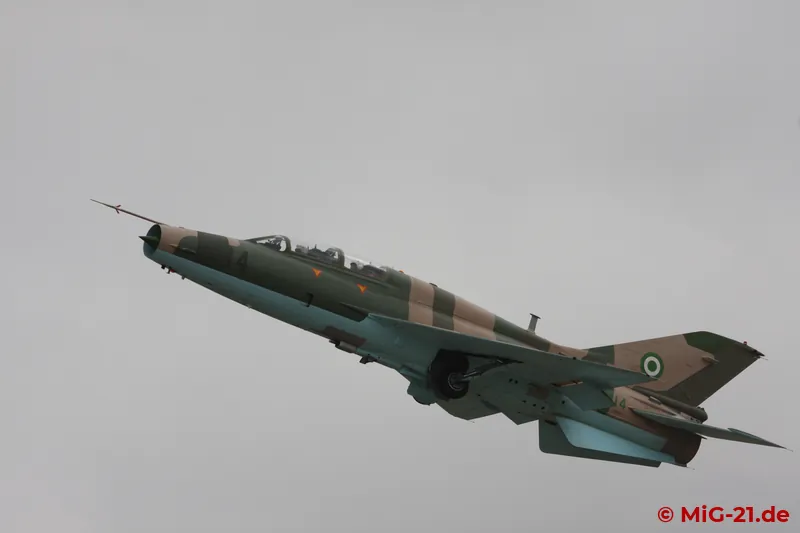
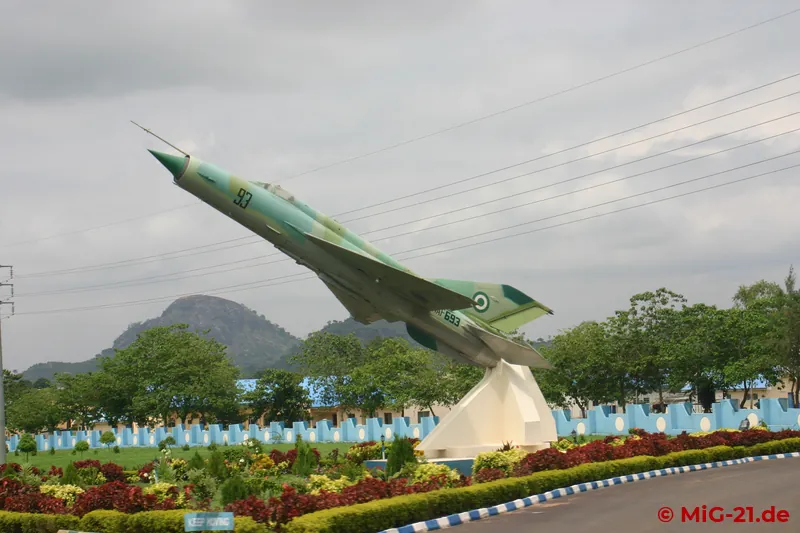
The airshow sensation of 2010 was undoubtedly the Nigerian Air Force (NAF) Air Expo, held at Kaduna air base from May 11 to 14 on the occasion of the official commissioning of several new aircraft and helicopter types – the first airshow ever in Nigeria. Getting there was correspondingly difficult.
When the first reports of the event appeared at the beginning of 2010, the author set about looking for more detailed information on the event and above all possible contact addresses. For some time nothing happened at all, until about eight weeks before the planned date at least a confirmation that the event would actually take place and a first contact address became available. Letters went back and forth while the days passed faster and faster, and finally, with only three weeks left before the opening, the long-awaited confirmation of participation arrived.
As it turned out, however, this was only the first – and easiest – step on the way to Kaduna. A visa had to be obtained, just at a time when the author had to leave on a week-long business trip. A prerequisite for this was a valid yellow fever vaccination – in good time before the planned travel date. A lucky coincidence helped here: not far from his current place of work there was a tropical medicine practice that administered the required vaccination at short notice. The visa application could be made online from the hotel, but various documents also had to be sent by post. Ten days before the planned departure date they were finally on their way. Because of a public holiday in Germany the following Saturday, and because it was made up in Nigeria (and thus also at the Nigerian embassy) on Monday and probably also on Tuesday, it took until Wednesday for anyone to even look at the visa application. By then there were five days left until the planned flight. Normally, for a first Nigerian visa application, a personal appearance at the embassy is mandatory. Thanks to the support of official bodies, the application was processed even without this, and although nobody confirmed it officially, everything seemed to be on the right track. Except that on exactly that Wednesday the Nigerian President died, and at first nobody knew how things would proceed – with the processing of the application and with the event. After several phone calls, on Thursday the visa was said to be "almost signed", and on Friday it was actually issued. Only nobody at the embassy was willing to send the visa so that it would arrive the next day – and the flight to Nigeria was on Monday. So the only option was to collect it in person in Berlin, and after 600 kilometres and seven hours of driving the author finally held his visa in his hand.
Now it was only a matter of booking the flight to Abuja. Actually no problem, had not the volcano with the lovely name Eyjafjallajökull, active at that time, caused masses of flight cancellations and thus overloaded booking portals. After a nerve-racking weekend, at 7 p.m. on Sunday evening there was finally a confirmed flight booking – given the short notice and the exotic destination, the most expensive flight the author had ever booked. Sleep was hardly possible after that, and so at four in the morning on Monday, completely overtired, the drive to Frankfurt began, from where the Lufthansa flight to Abuja took off on schedule around noon.
The – exorbitantly expensive – hotel in Abuja had said in advance that it would be no problem to arrange a transfer from there to Kaduna. On arrival at the hotel nobody knew anything about such an arrangement, but a driver was found who took the author to Kaduna – also not very cheaply. At least he had a car in good condition and drove safely, untypically for the country. On arrival in Kaduna it took some time until someone felt responsible for looking after him, but since the unmistakable silhouette of a MiG-21 could already be seen in the air on the way in, nothing could really go wrong any more. In view of the following four eventful days as apparently the only non-African visitor (all other foreigners were on site either as official guests or exhibitors), details such as the search for a hotel in the evening tropical rain, because the booking confirmed by the hosts had turned out not to exist, or the hitherto unclear question of how the return to Abuja was to be made, faded into insignificance.
The latter problem was solved by the local liaison: an NCO of the Nigerian Air Force was to drive the author to Abuja airport – for only half the price of the outward journey. He also appeared at the agreed time, but at that point his roughly 20-year-old Golf still had a spare wheel fitted at the front left. To reassure the author, it was replaced by a regular tyre on the way to the expressway to Abuja, and so the journey went largely uneventfully for about an hour – until the driver stopped because the engine was boiling. After some fruitless tinkering he disappeared into the undergrowth at the roadside, only to reappear after several – what felt like very many – minutes with a bucket of water – from wherever. But even with that the vehicle could not be started again. As departure time came closer and closer, the driver stopped another, similarly old and rattly Golf and bundled the author onto the passenger seat, whose forward-tilted backrest could not be adjusted and whose speedometer showed nothing, but which, unlike its fellow car, held out without complaint all the way to Abuja. For lack of a common language, the driver could not be told to stop at the entrance to Abuja air base, so the photo of the MiG-21bis there was taken from the car while driving past. A short time later the author stood in the airport, a few banknotes changed hands and the wait for the return flight began ...