From today's perspective, the time shortly after the turn of the millennium was a happy one for aviation enthusiasts and spotters – especially Eastern European air forces voluntarily and comparatively often offered tours to the numerous airfields still active at that time. In 2001 the author managed to take part in such a tour in Poland – not suspecting that it would remain the only one and that the Polish MiG-21s would be retired only two and a half years later. Four airfields on or near the Polish Baltic coast were on the programme – one each of the air force and army aviation and two of the navy. MiG-21s flew at two of these airfields, and so after more than 10 years the author finally had the opportunity again to experience real flying operations from the flightline.
2 Darłowski Dywizjon Lotniczy Darłowo
The tour began on April 3 with a visit to the naval aviators at Darłowo.
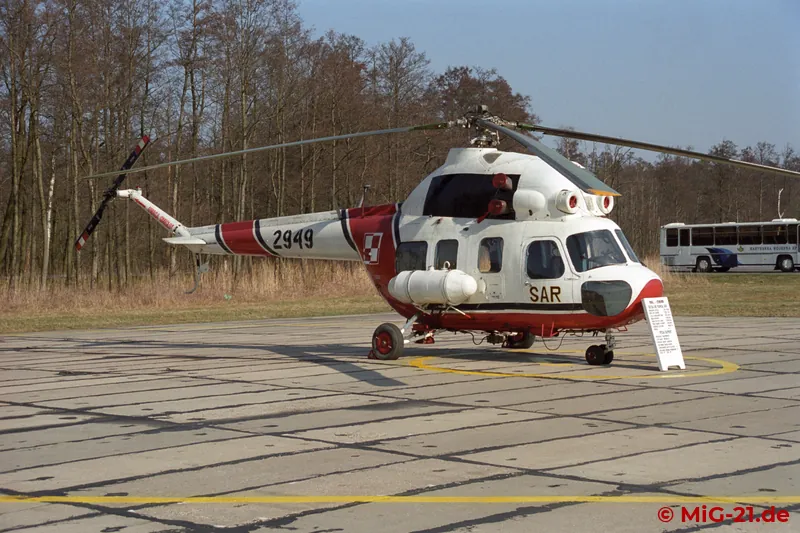
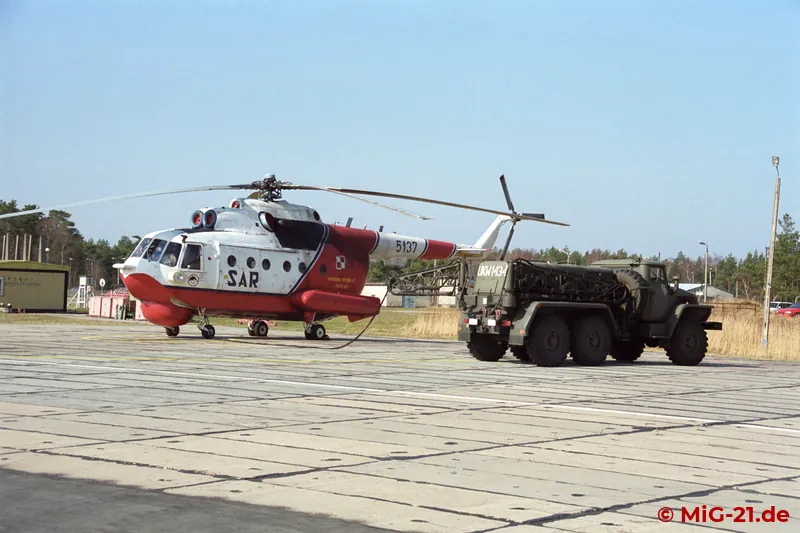
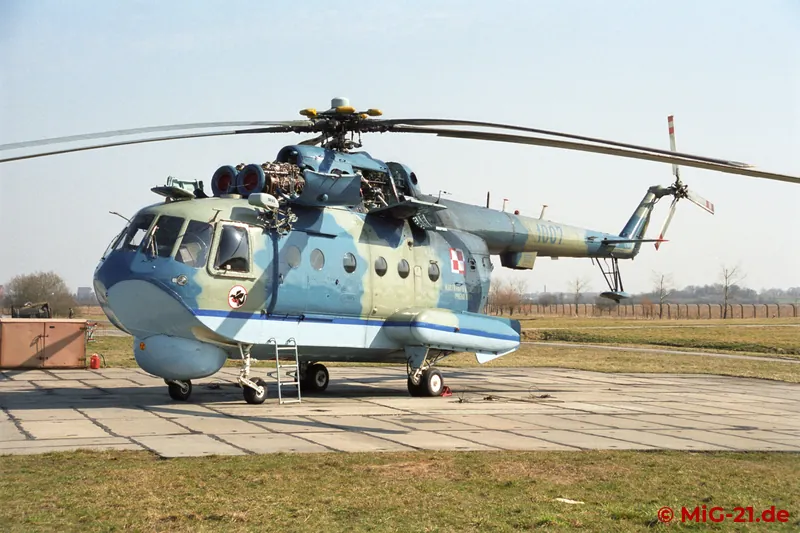
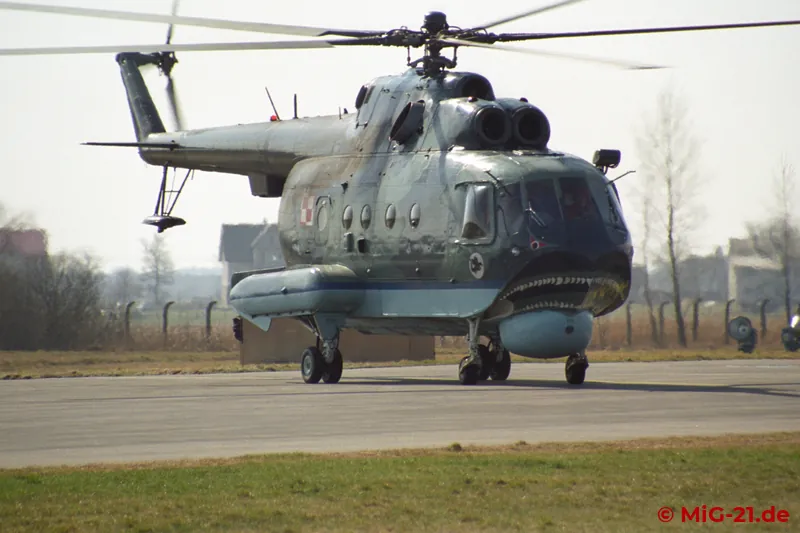
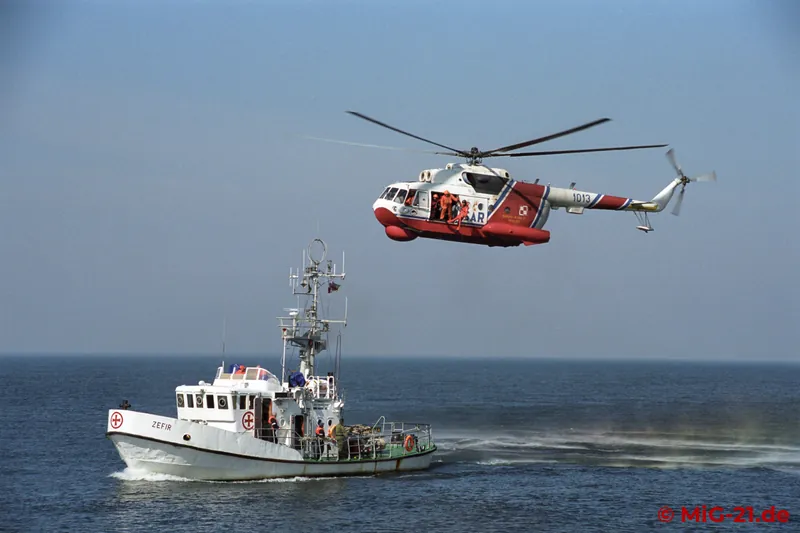
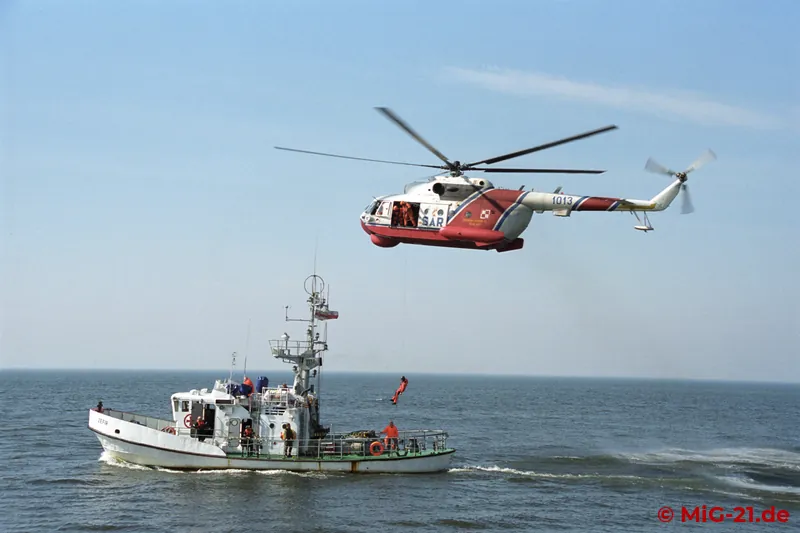
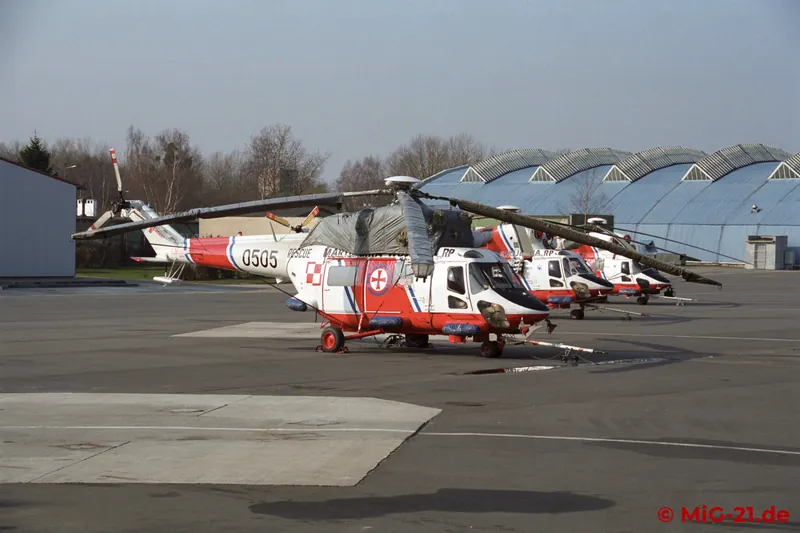
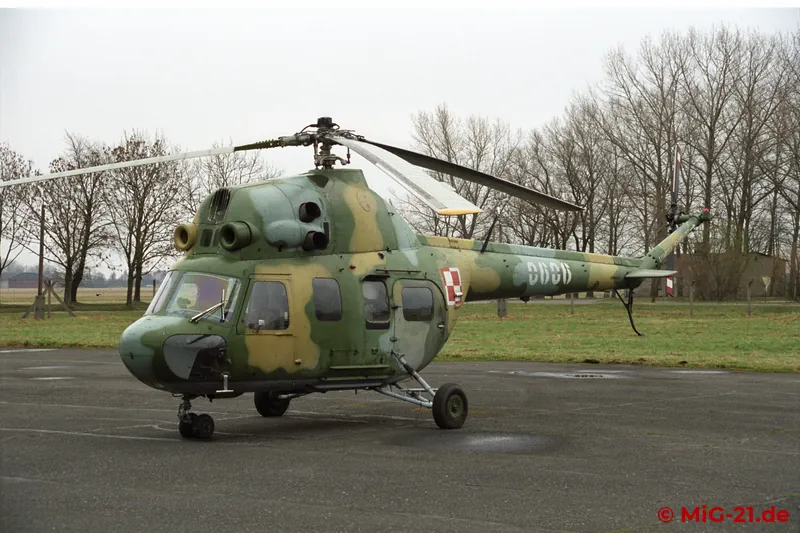
Search and rescue on the western Polish Baltic coast is provided from Darłowo. At the time of the visit, both Mi-2s ...
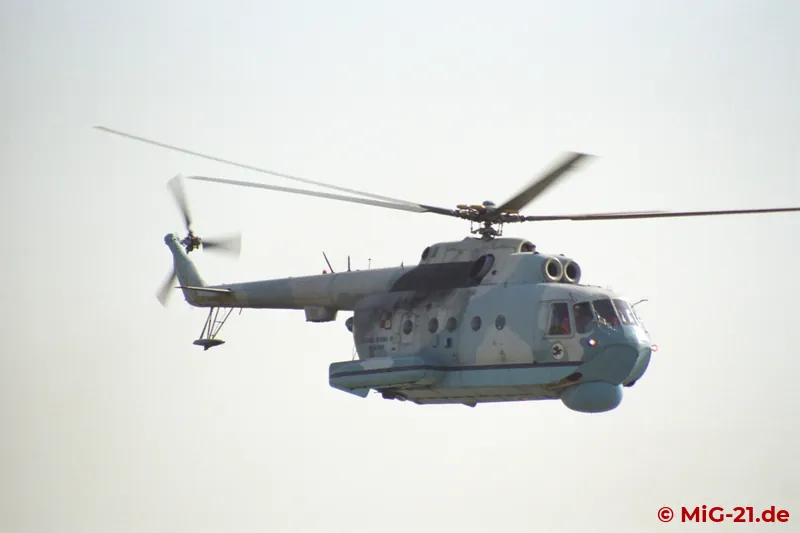
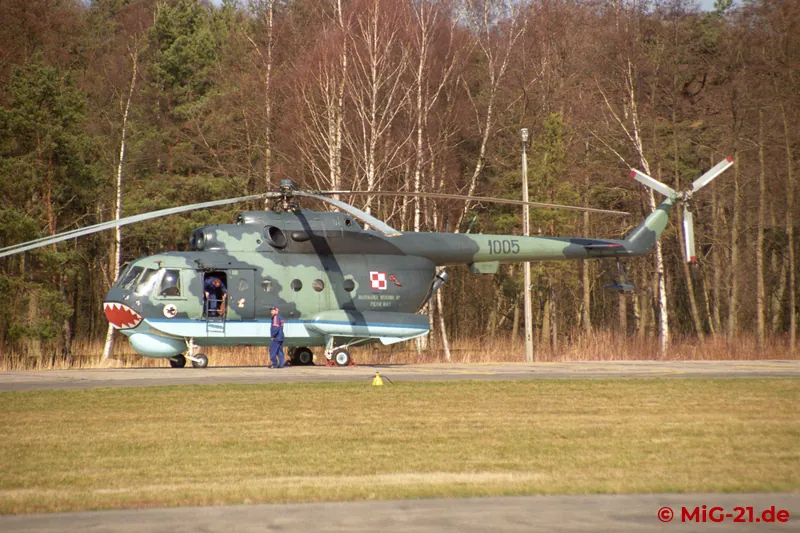
... and Mi-14s were used in this role – the latter, however, also ...
... in their original role as submarine hunters.
The aircraft, recognisable externally by a new camouflage pattern, ...
... had been upgraded in the meantime with Western avionics and armament.
On the day of the visit there was busy flying activity ...
... with especially the rappelling from the helicopter ...
... onto a rescue cruiser, practised again and again at the Darłowo pier, providing beautiful motifs.
1 Pucki Dywizjon Lotniczy Gdynia-Babie Doły
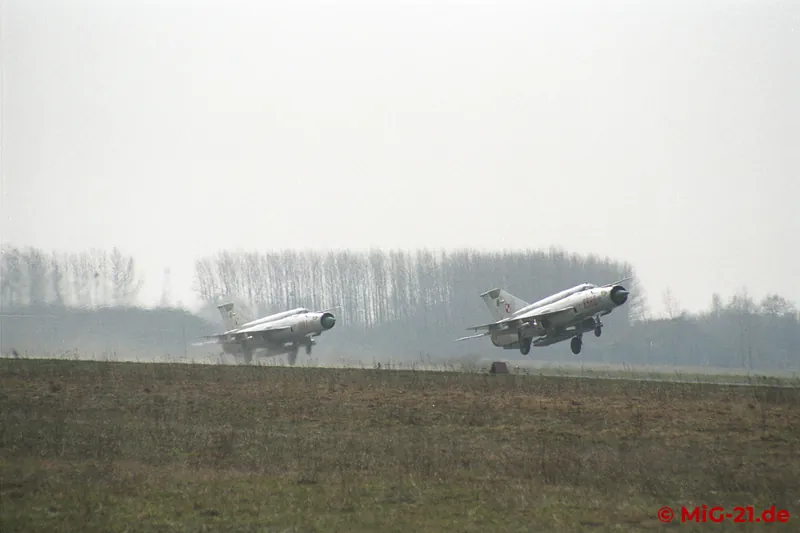
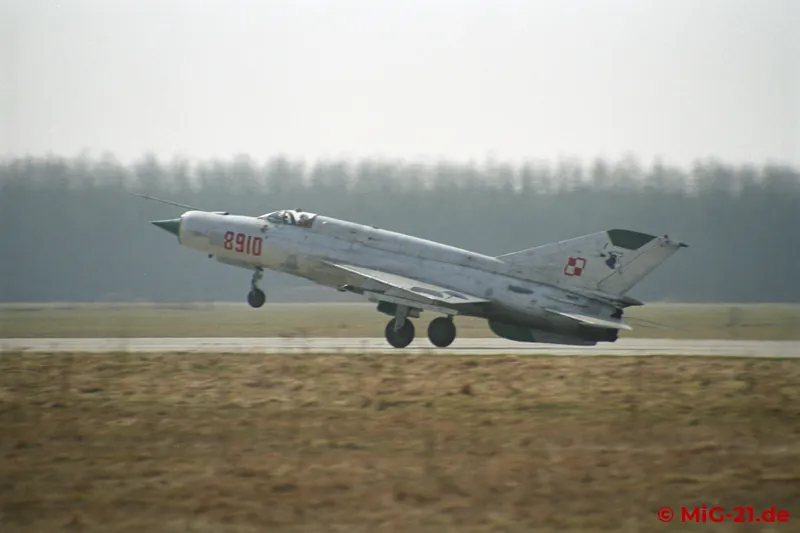
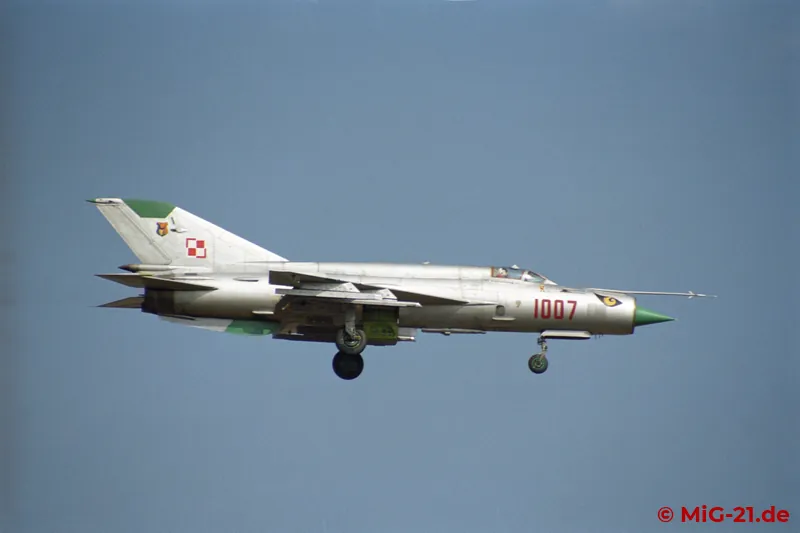
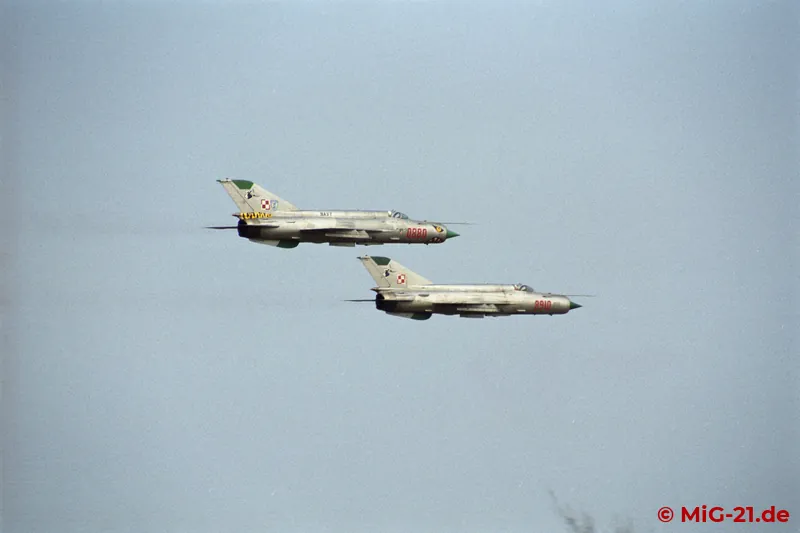
The next stop on the following day was also right on the coast, at Gdynia-Babie Doły, where the former 34 PLM of the air force had been transferred to the naval aviation in the mid-1990s but had kept its MiG-21bis equipment unchanged.
When flying began, a light mist still lay over the airfield.
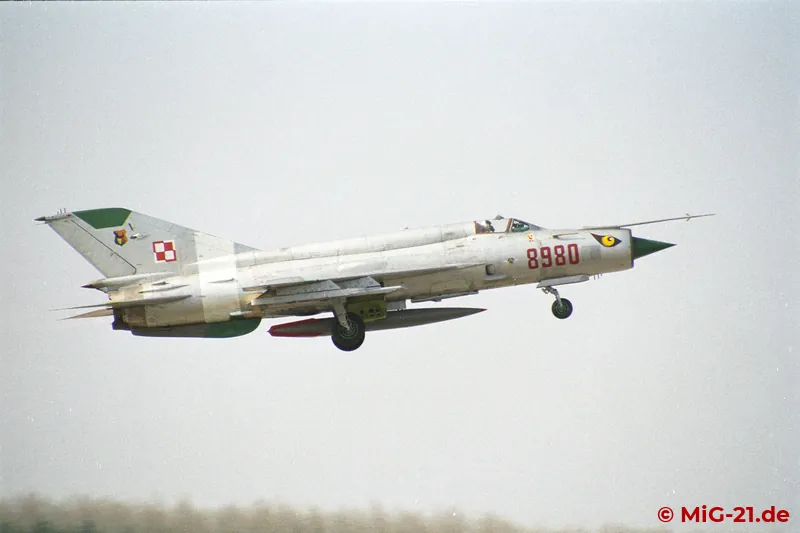
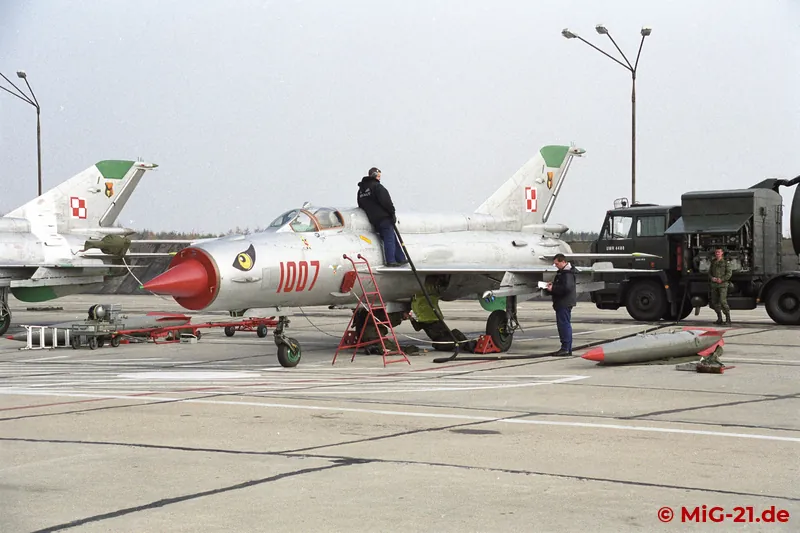
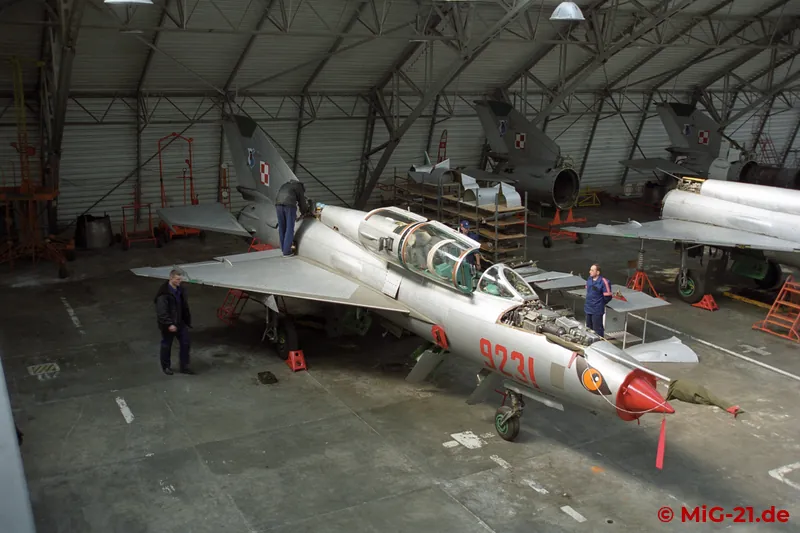
Many of the MiG-21s based at Gdynia carried, besides the squadron badge on the fin, striking bird-of-prey eyes on the nose, which were to reduce the risk of bird strikes, above all by seagulls.
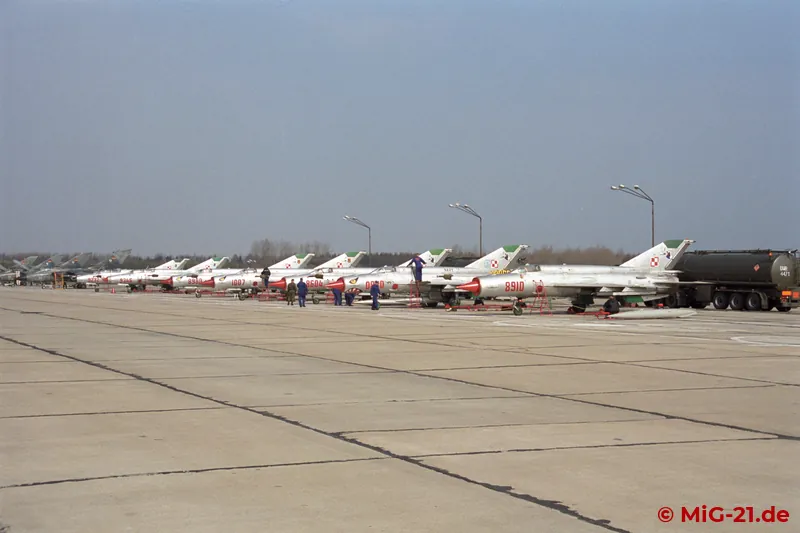
Memories were awakened: flight operations from the well-filled flightline ...
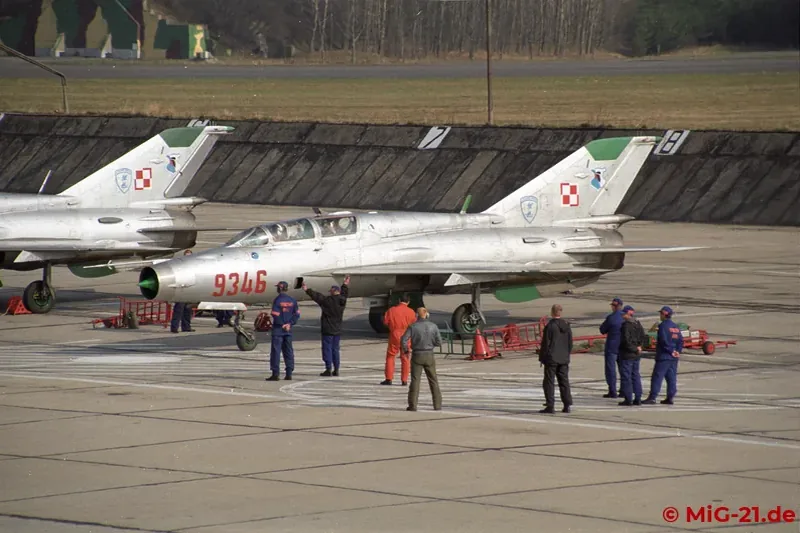
... ran largely exactly as the author knew them from his time in service: after the technician has shown the aircrew the completely removed ground safety devices, ...
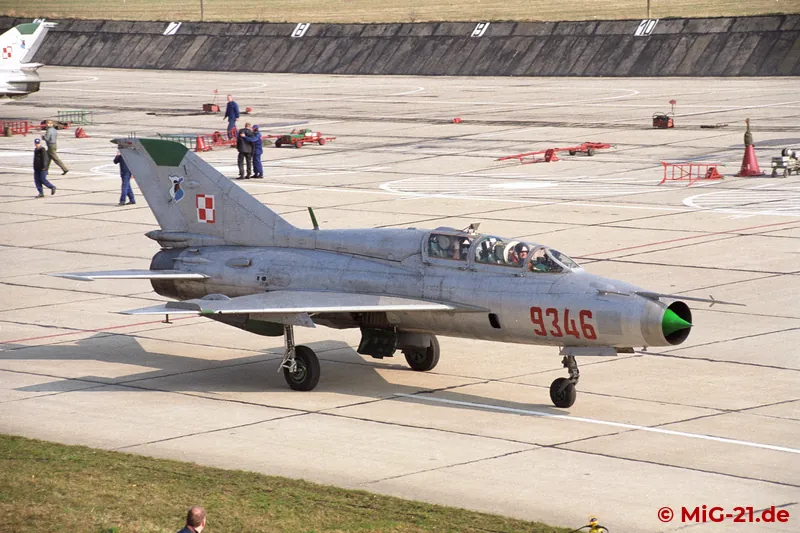
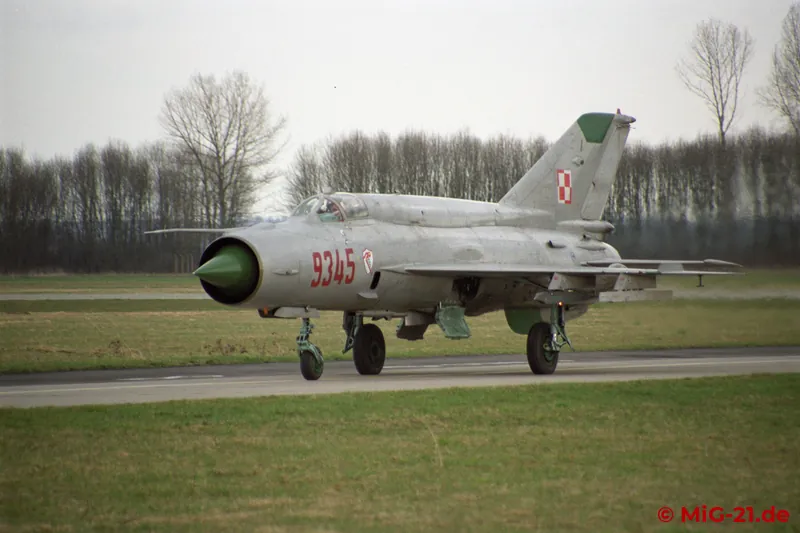
... the pilot taxies his aircraft along the already partly emptied flightline for take-off, ...
... while at other positions the returned aircraft are prepared for the next flight.
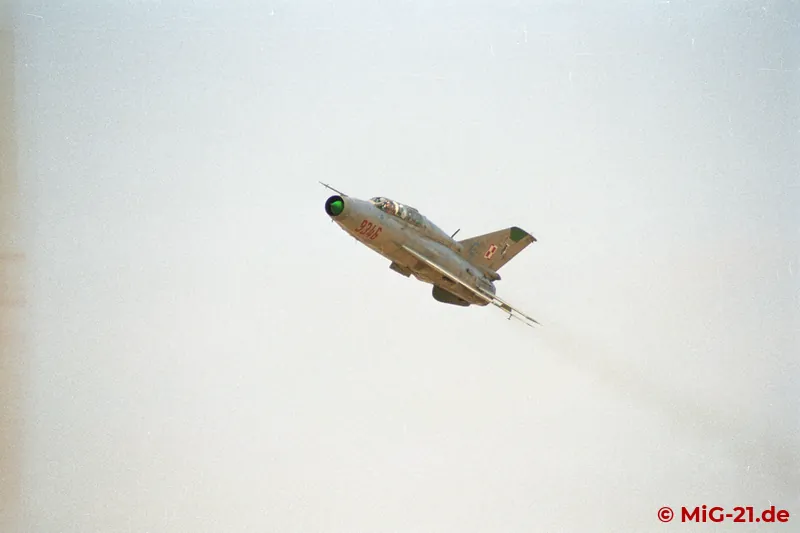
Some low flypasts ...
... were certainly due to the presence of numerous photographers.
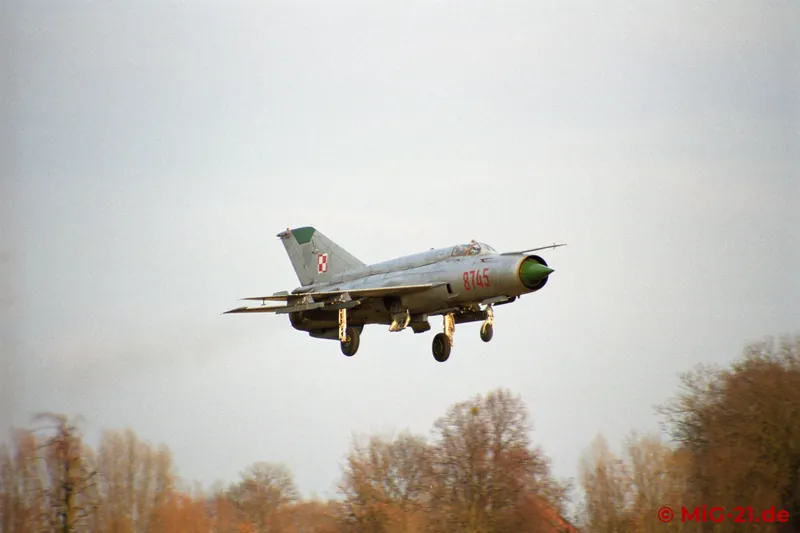
But regular flying also provided interesting motifs, such as this flapless landing.
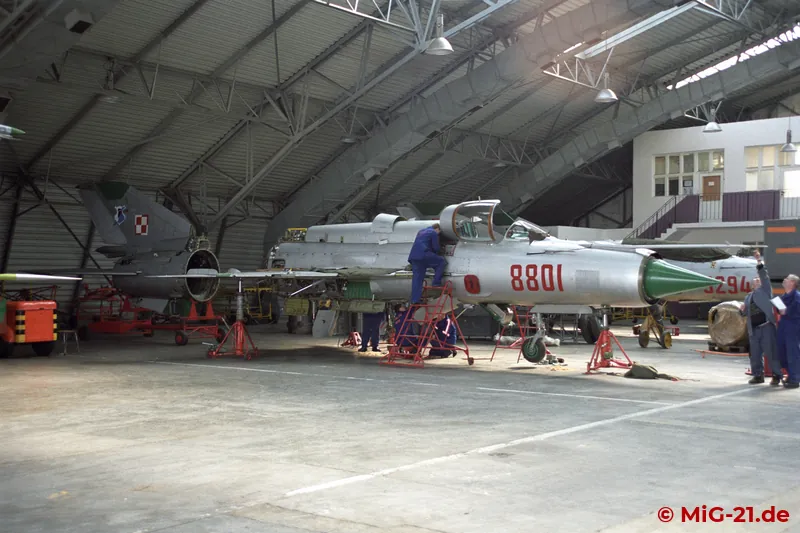
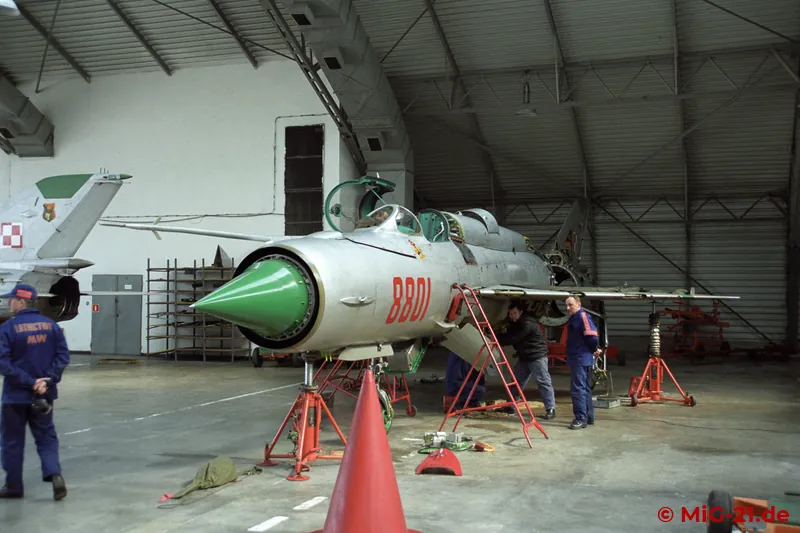
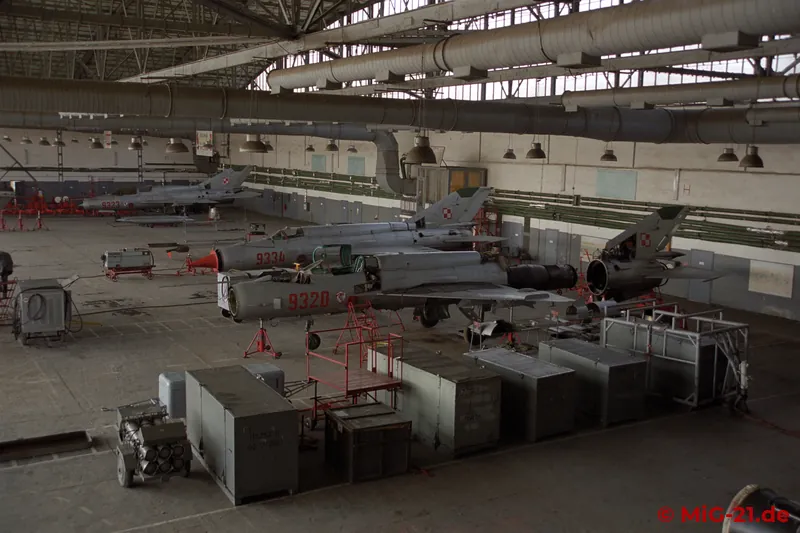
To the author's great delight, a longer tour of the maintenance hangars was also possible, ...
... where the prescribed periodic inspections ...
... were carried out on numerous more or less dismantled aircraft.
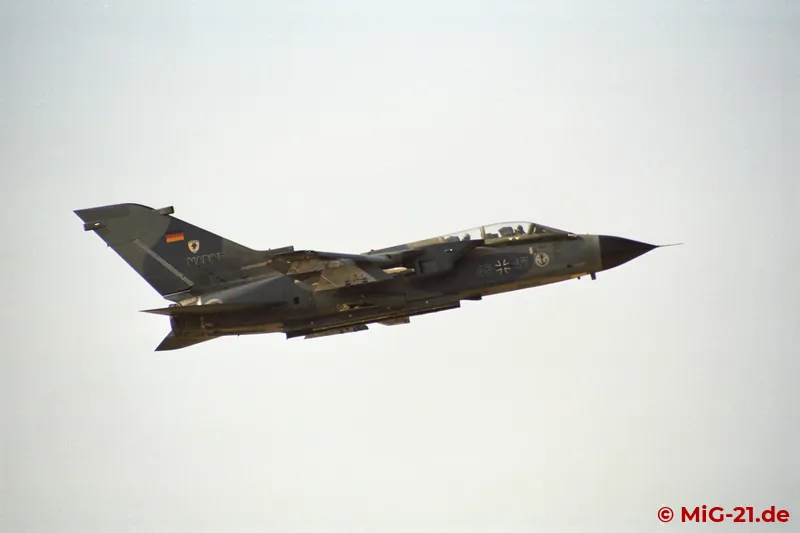
Besides the local MiG-21s, Tornados of the German naval aviation also flew at Gdynia, being there on a squadron exchange.
Only "marginal figures" at that time, ...
... W-3 helicopters for rescue missions ...
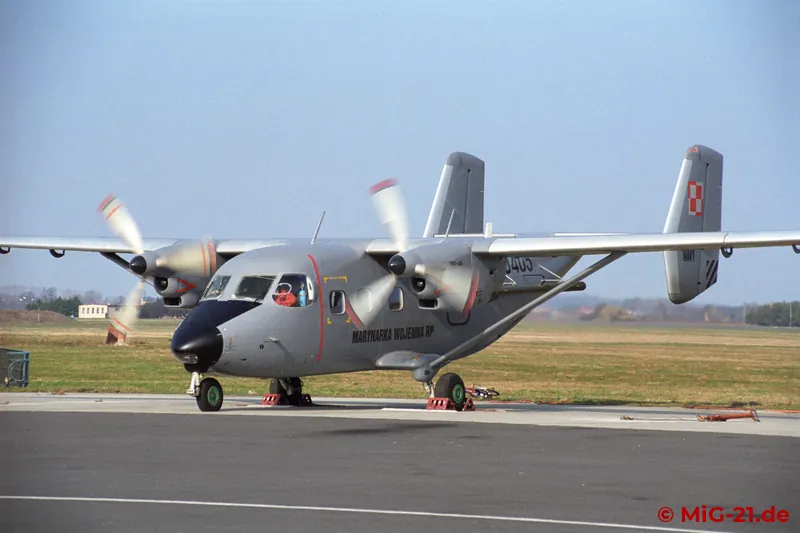
... and M28 aircraft for maritime surveillance are the only types still flying at Babie Doły today.
After the end of the official visit programme there was still the opportunity ...
... to watch the continuing flight operations from outside the base.
49 Pułk Śmigłowców Bojowych Pruszcz Gdański
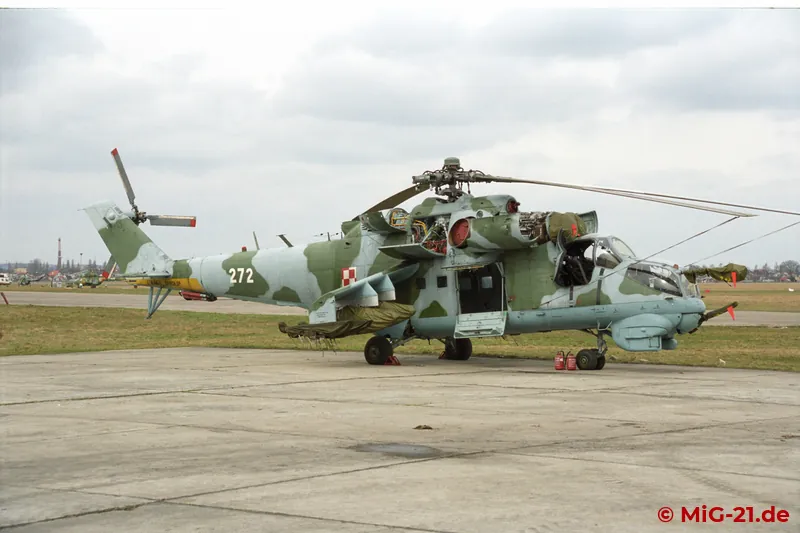
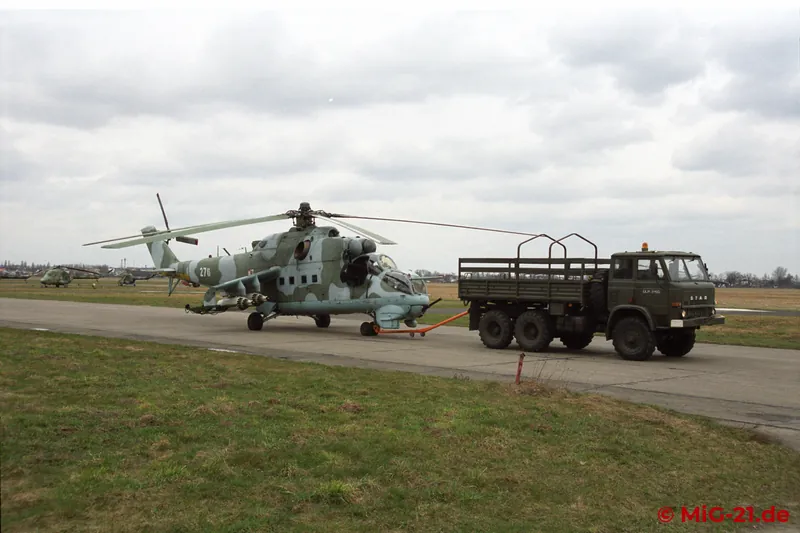
The third item on the programme was a visit to the attack helicopter regiment at Pruszcz Gdański, about 50 kilometres south of Babie Doły.
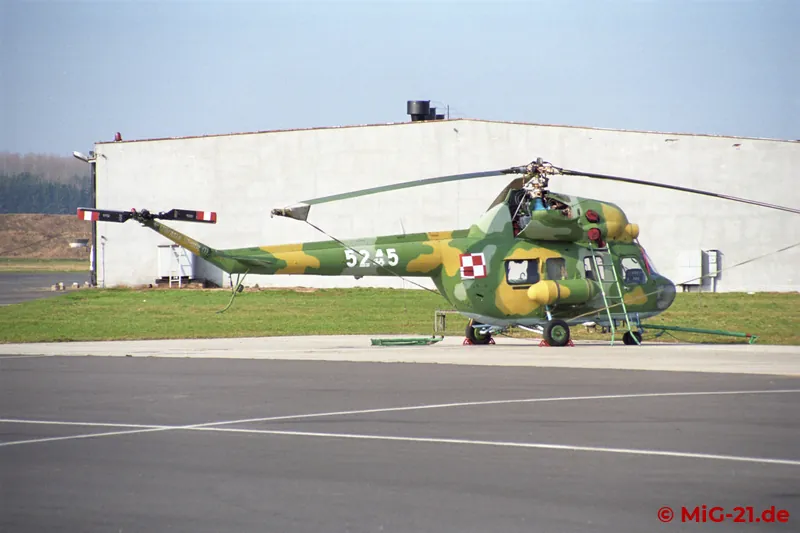
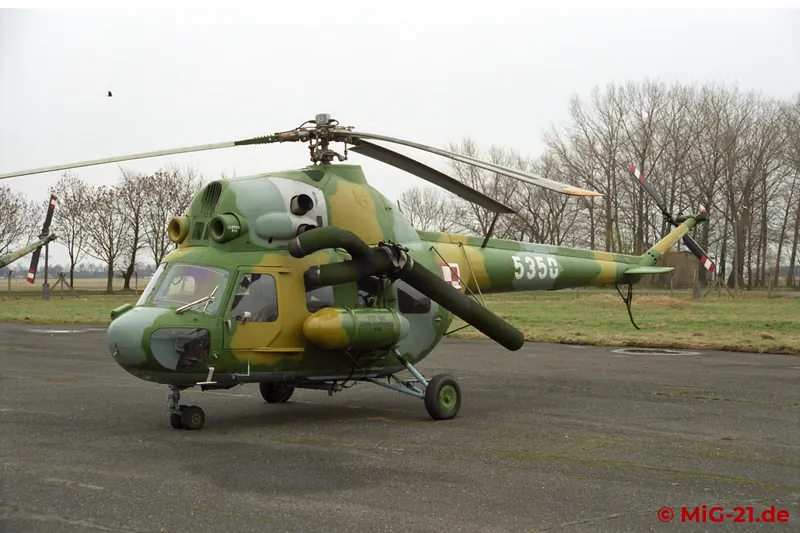
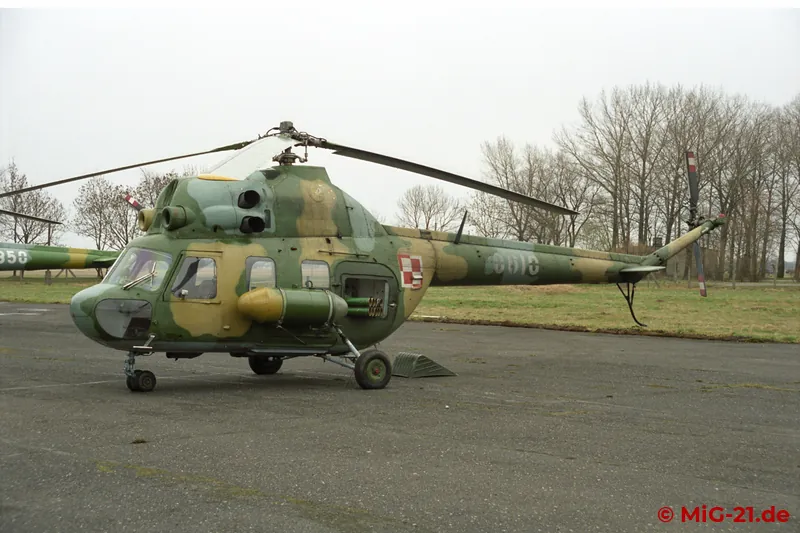
A static display for the visitors showed various variants of the Mi-2, ...
... such as with equipment for generating smoke and ...
... for minelaying(?).
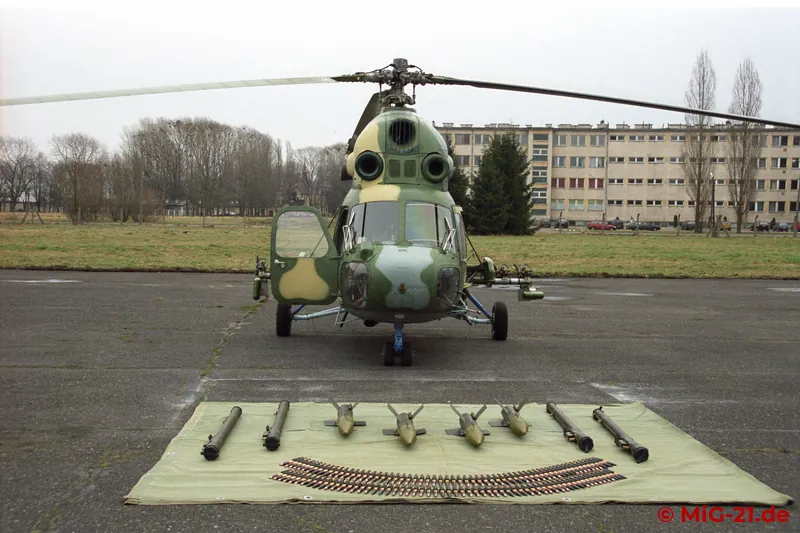
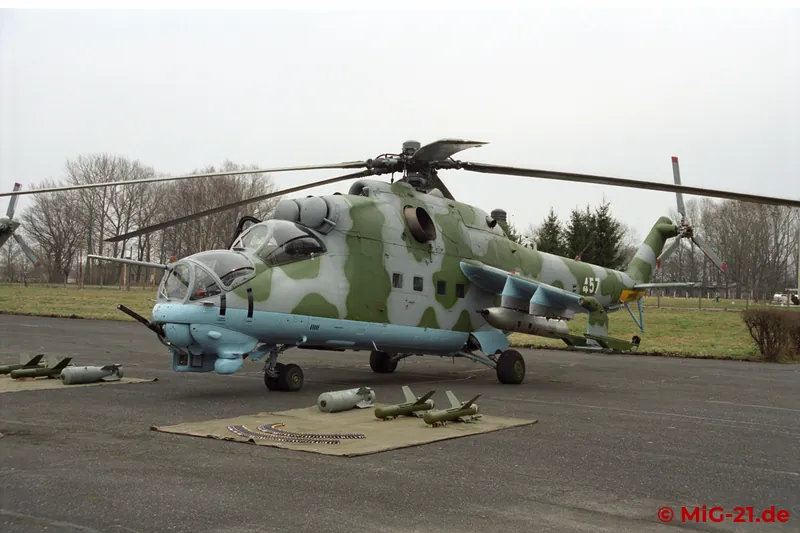
Both Mi-2s ...
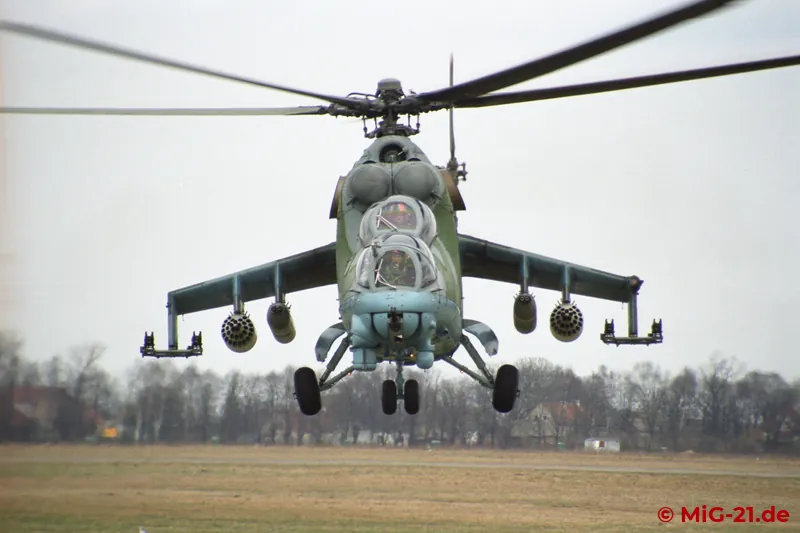
... and Mi-24s were shown with their armament.
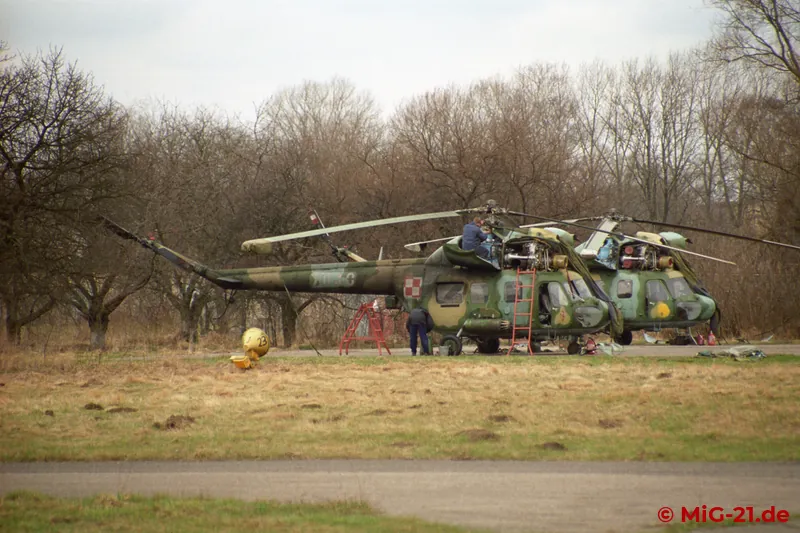
During the visit, regular technical servicing ...
... took place on both helicopter types of the unit.
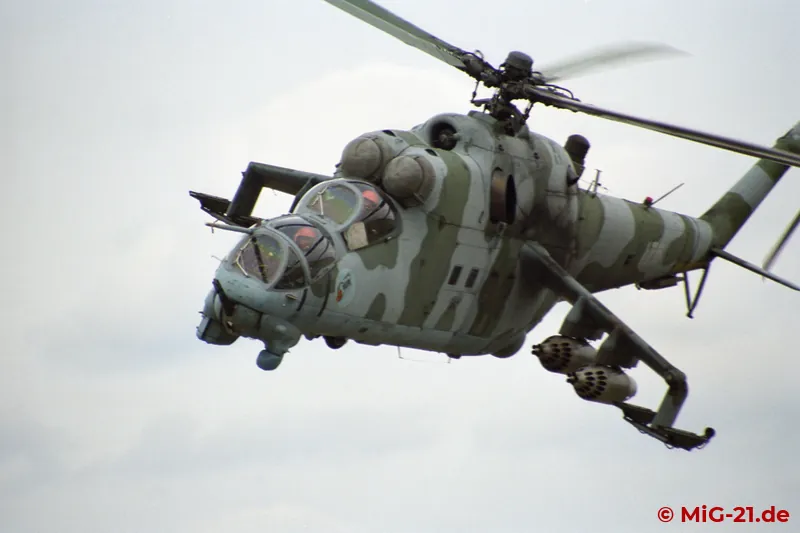
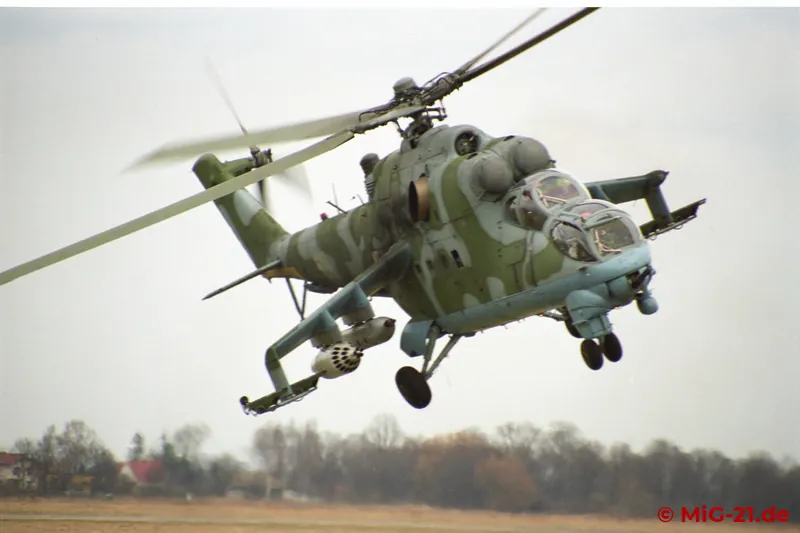
Finally a Mi-24 was made ready, ...
... which then demonstrated both its manoeuvrability ...
... and its quite impressive effect ...
... at close range.
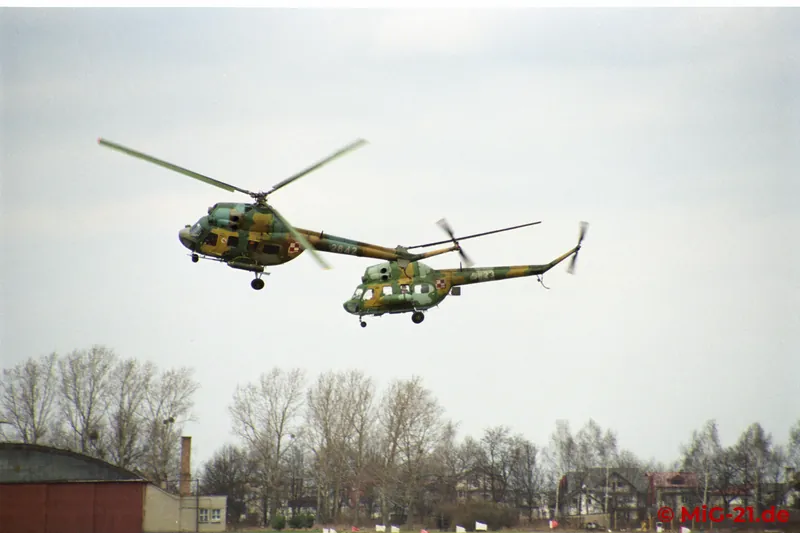
The visiting day ended with a very respectable display by two Mi-2s.
41 Eskadra Lotnictwa Taktycznego Malbork
Actually the visit to the fighter pilots at Malbork was only scheduled for the fourth and last day of the tour. But as the drive there from Pruszcz Gdański takes less than an hour, most participants set off immediately – not in vain, because there was flying at Malbork, too. And so the participants lurking at the fence of the base were "collected" by tour leader Olga Franczak and brought onto the base, ...
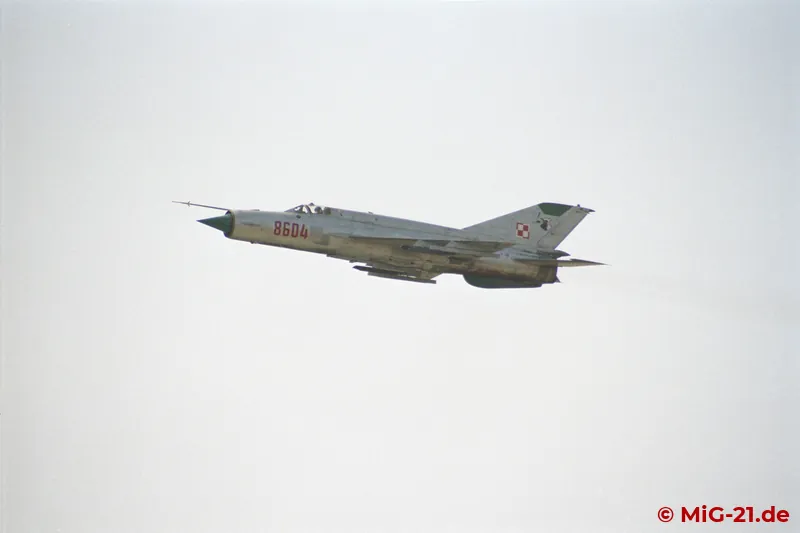
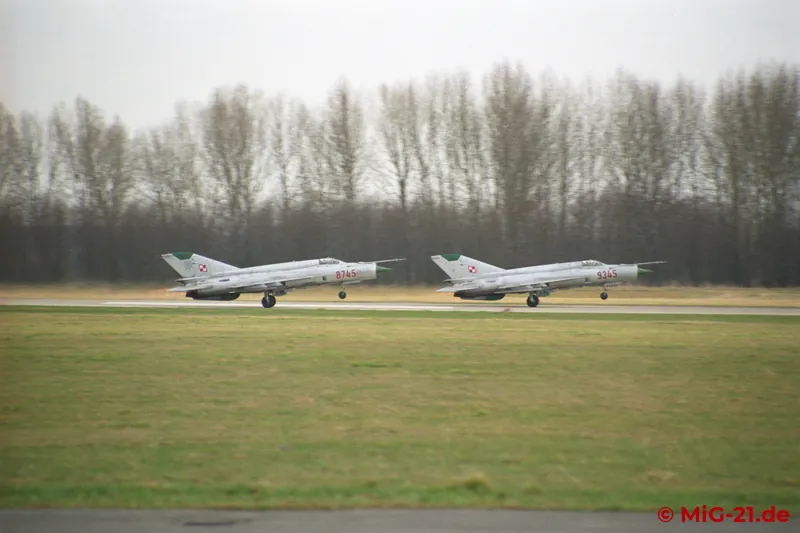
... where they could experience take-offs, ...
... flight preparations on the flightline, ...
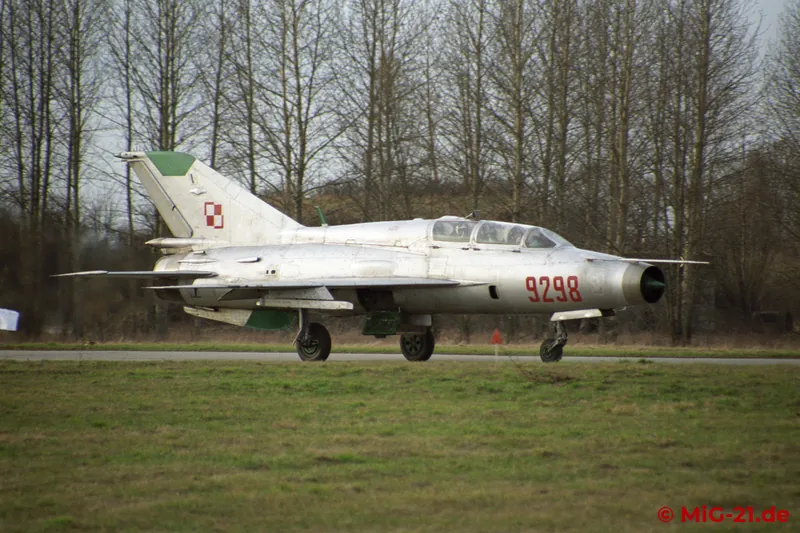
... the taxiing of the aircraft ...
... and some landings at close range.
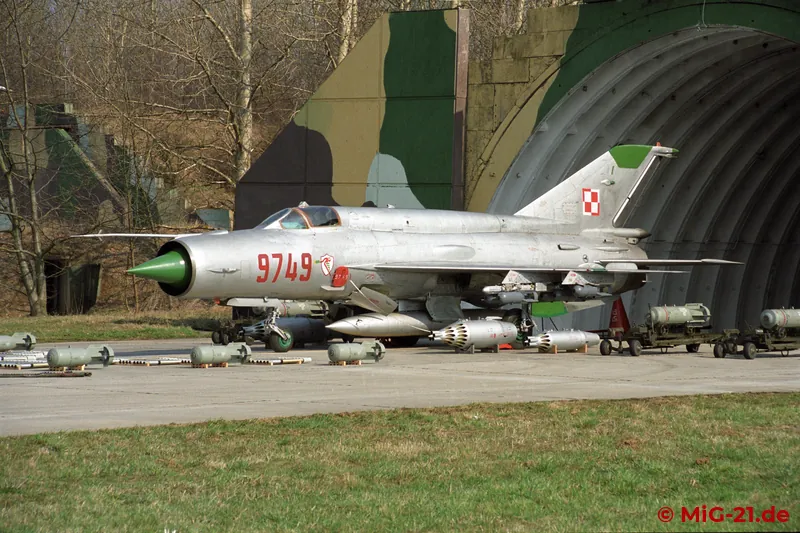
As it turned out the next day, the advance visit had been a good idea, because although a display of the MiG-21's weapons range had been prepared for the official visit, there was no flying.
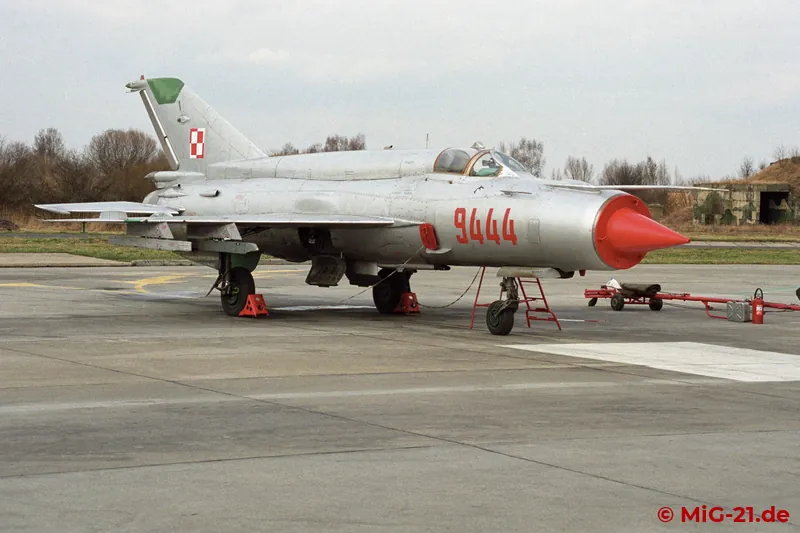
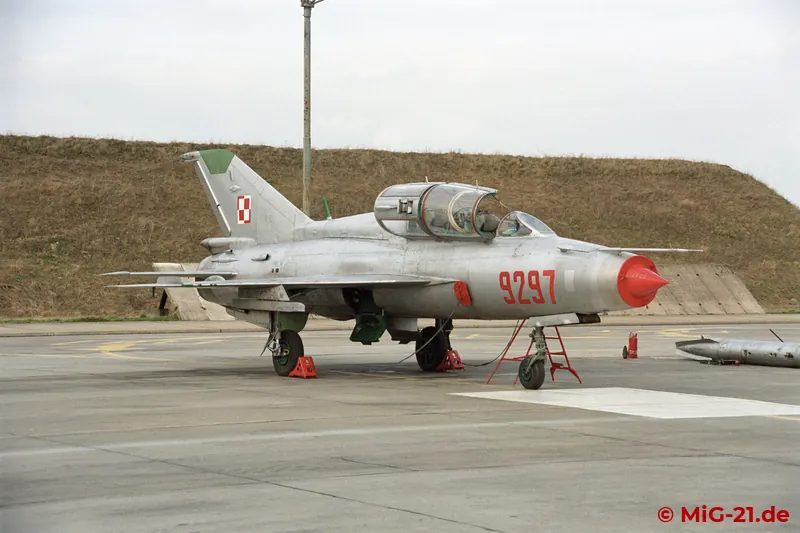
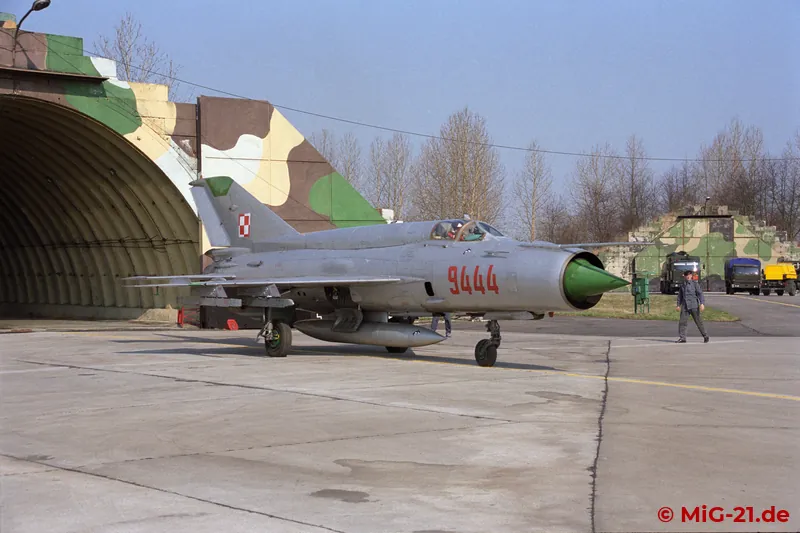
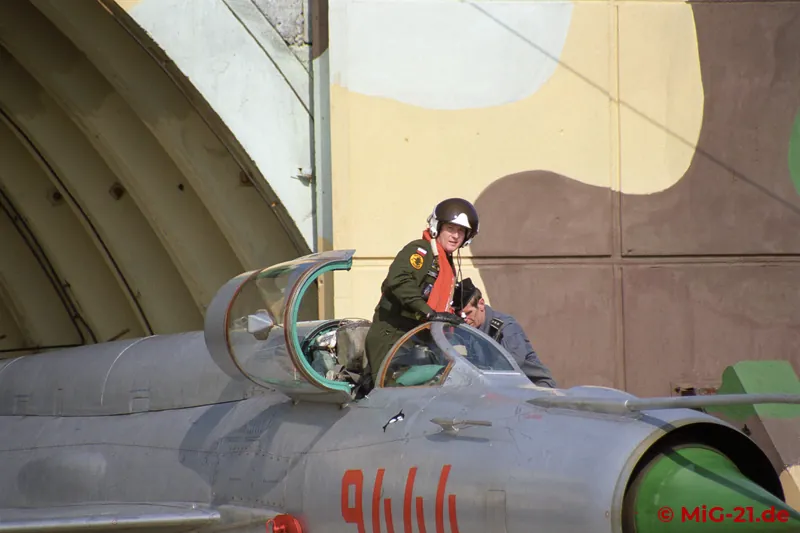
Only one aircraft rolled briefly out of its shelter for the visitors, ...
... only to be parked again after a round on the perimeter taxiway.
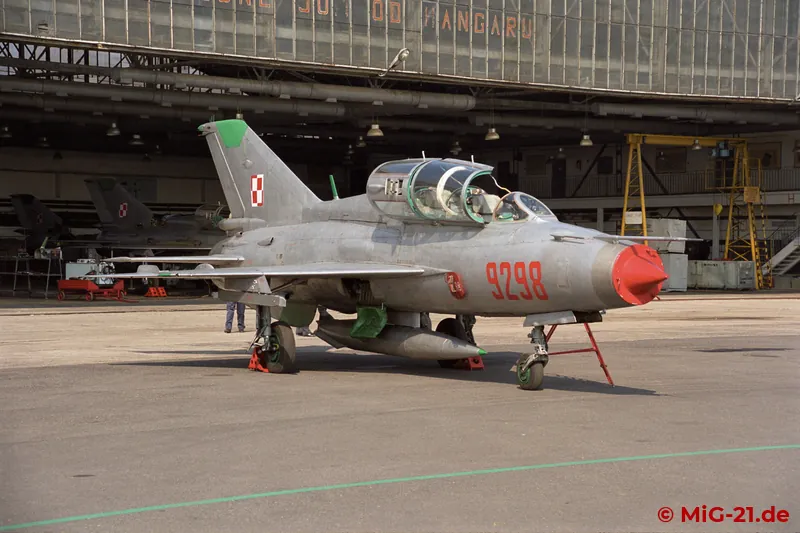
A MiG-21UM was positioned for the camera for the numerous 50mm spotters from the West, ...
... while the real aviation enthusiasts could take a look at the maintenance work in the maintenance hangar dating from German times.